
Keynote Speakers ECR2025


Emiliano Trucchi
Associate Professor in Genetics, Marche Polytechnic University
May 6th — 15.30/16.15
Plenary – “The extraordinary genomic history of the Apennine Brown bear”
At the University of Oslo, I created one of the first platforms in Europe for reduced-representation (RADseq) genomics, a landmark in Scandinavia for researchers studying non-model species. Between 2015 and 2018, using RADseq data, I designed novel approaches and methodologies to estimate demographic histories in natural populations, identify genome-wide methylation patterns in wild plants and animals, test models of genetic diversity decay during a biological invasion, and develop a novel approach to infer population structure. Between 2016 and 2021, using population genomics and whole-genomes, I investigated neutral and adaptive evolutionary processes in several organisms, producing novel predictions about eco-evolutionary dynamics of penguins, and innovative analytical frameworks to contrast neutral and selective processes in endangered and domesticated species, using both modern and ancient whole-genome data. In 2019, I established the “Genomics Lab”, a novel and independent research group at Marche Polytechnic University, with a broad focus on Evolutionary Genomics, including novel genomes and transcriptome assembly and functional annotation, estimates of genetic load and adaptive potential in endemic species of conservation concerns, and genotype-to-fitness investigations. In the last years, I advanced genomics and transcriptomics research in the study of King and Emperor penguins evolution. The latest achievement in this field is the assembly and functional annotation of a high-quality chromosome-level genome assembly for the King penguin, an emerging model-in-the-wild to study genotype-to-fitness, aging, life-history traits evolution and adaptation to climate change.
Trevor Willis
Research Director at Stazione Zoologica Anton Dohrn
May 7th — 9.00/9.45
Plenary – “How science can help marine protected areas, and how marine protected areas can help science”
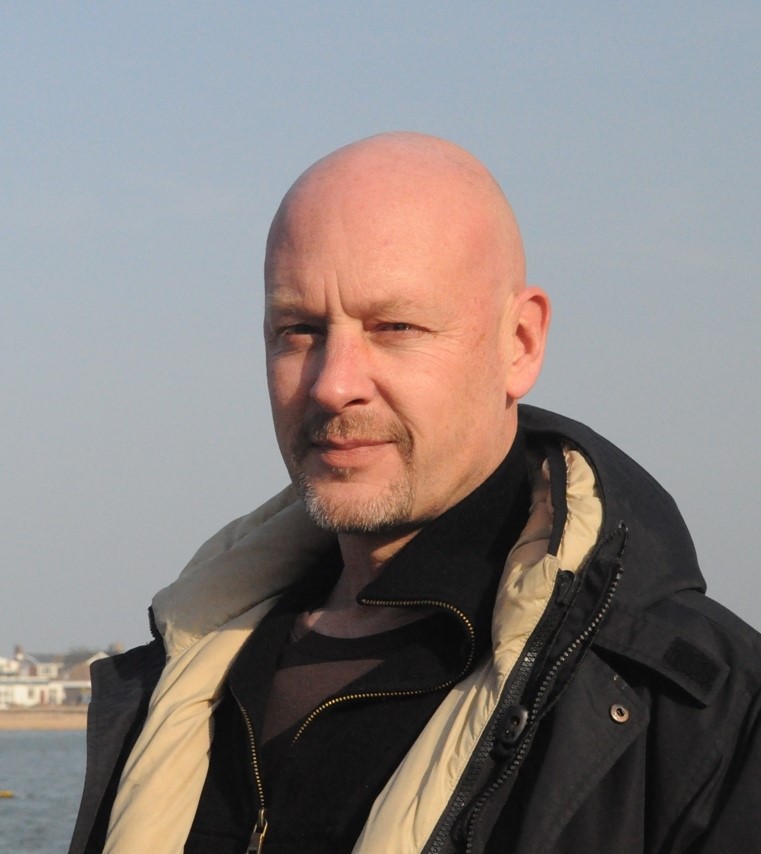
Trevor Willis is a pioneer in the demonstration of the efficacy of protected areas for the recovery of exploited fish populations, for which he developed and validated baited underwater video systems for measuring the relative density of carnivorous fishes. His work in this area benefited from fruitful collaborations with statisticians in the development of mixed effects linear models and multivariate techniques for detecting change in fish communities. His long term datasets led to one of the first demonstrations of how protected areas can (and perhaps should) be employed as controls for the effects of fishing, a function for which they are probably still underutilised. At the same time he was heavily involved in the first demonstration of marine trophic cascades in New Zealand, and also demonstrated likely predation effects on communities of cryptic fishes within marine reserves. He was one of the senior authors of a high-profile global analysis of the factors determining the effectiveness of marine protected areas. He subsequently developed an interest in the use of stable isotopes (of C and N) for tracing trophic relationships in marine systems, directed at understanding how human activities modify energy flows in reef systems.
Luigi Maiorano
Assistant Professor at Sapienza University of Rome
May 8th — 9.00/9.45
Plenary – “Statistical analyses in spatially explicit contexts”
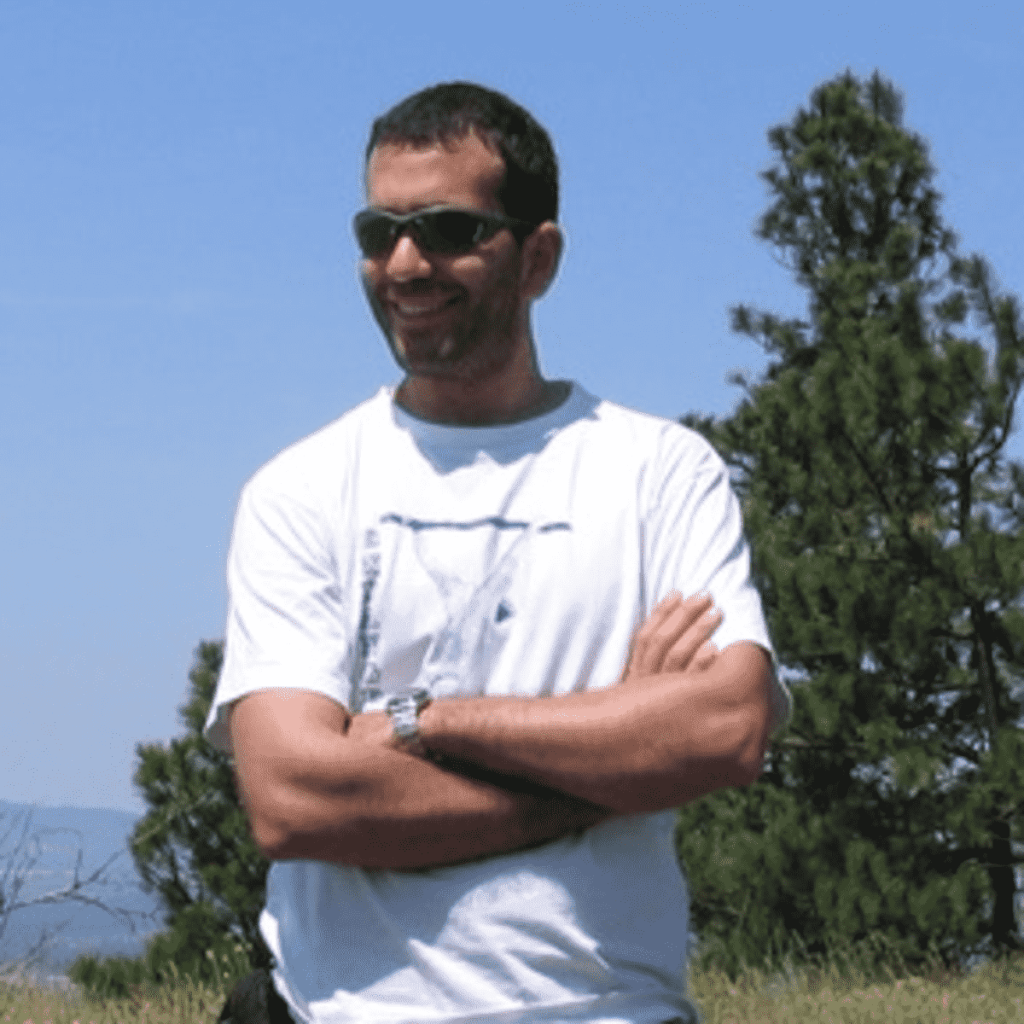
Trained in the USA, with work experiences in Switzerland, I’m currently Associate Professor in Zoology at the University of Rome “La Sapienza”. I am a biogeographer and a macro-ecologist, but I’m also interested in conservation biology from local to continental/global spatial scales. Recently I’ve been working also in evolutionary biology and paleoecology. My research is mainly focused on terrestrial vertebrates and mediterranean ecosystems, with a strong emphasis on statistical analyses in a spatially explicit context.

Costanza Geppert
PostDoc at University of Padua
May 9th — 9.00/9.45
Plenary – “Conserving Wild Pollinators in Cities – Keys to Success”
Costanza Geppert is a researcher at the University of Padova, in Italy. After a MSc thesis on the effectiveness of flower strips and organic farming to support pollinators at Goettingen University (DE), she was awarded her PhD for studies on climate change effects on plants and herbivore insects at the University of Padova. Currently, she works on social-ecological systems, ecosystem services and human-nature connections, with a focus on insects. She teaches a course on insects under global change.

 Society for Conservation Biology